



In recent years, indoor ski resorts have been rapidly expanding, with over 120 locations across 35 countries. These venues, which integrate sports, entertainment and leisure, are constantly raising the bar in terms of scale and experience. However, while providing exceptional skiing experiences, indoor ski resorts also face a common challenge—ice accumulation.
Whether it’s the hard ice shell formed on the slopes, icicles hanging from light fixtures, steel beams, and air conditioning pipes, or ice cones forming on the ceiling due to improper humidity and temperature control, all of these have safety hazards. These ice formations not only carry the risk of falling and potentially injuring skiers but can also cause damage to expensive equipment, presenting considerable challenges for operation and maintenance.
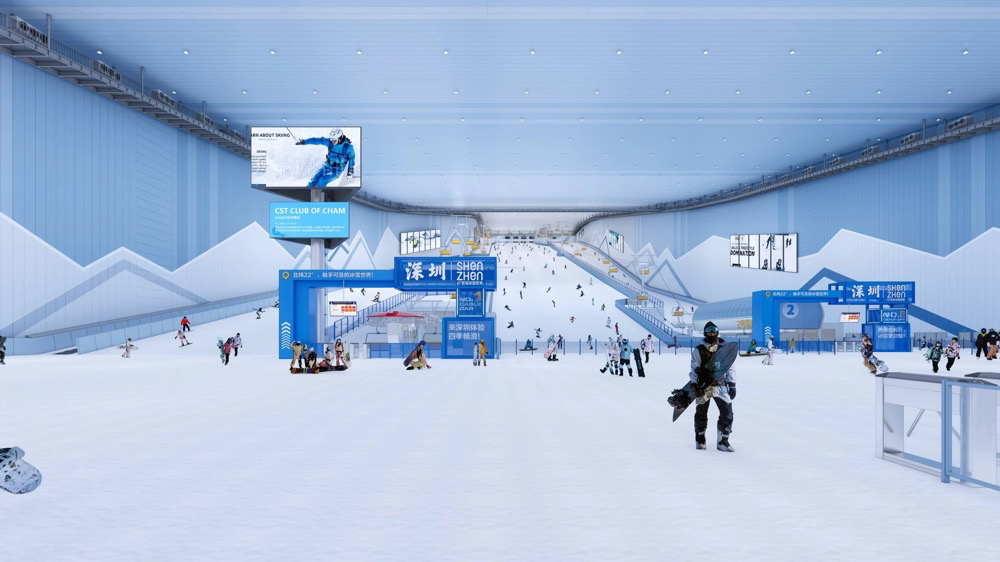
▲Shenzhen Qianhai Huafa Ice and Snow World (Source: Internet, infringement can be deleted)
I.The Safety and Operational Impact of Ice Layers in Indoor Ski Resorts
The ice layer in indoor ski resorts affects not only the skiing experience but also poses safety and equipment hazards:
According to data on skiing accidents, the daily injury rate at ski resorts is 0.2%–0.3% (around 2–3 injuries per thousand skiers). If ice accumulation leads to personal injury or property damage, and the ski resort is deemed primarily responsible, the compensation can often reach hundreds of thousands or even millions of dollars.
1. Ice on Ceilings and Light Fixtures:
Ice cones frequently form on air conditioning ducts, light fixtures, and ceilings. If these ice cones fall, they can cause injuries and damage to facilities.
2. Ice Formation on Steel Beams, Lifts, and Tracks:
Ice accumulation on structural steel beams, lift tracks, and conveyor systems can disrupt the normal operation of equipment, reducing the overall efficiency of the ski resort.
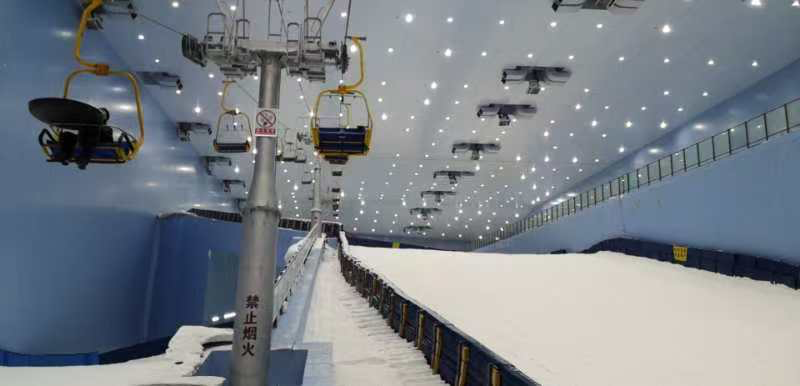
▲Indoor Ski Resort
II.How Do Indoor Ski Resorts solve the ice layers problem?
1. Adjusting Refrigeration Systems and Humidity Control:
Optimizing refrigeration systems and setting target humidity levels (30–50%), combined with heat recovery ventilation systems, allows for intelligent coordination of humidity and cooling, reducing ice cone formation from the source and maintaining safety over the long term. However, it is difficult to completely eliminate already formed ice cones, and the effect is highly dependent on environmental changes.
2. Manual Ice Removal:
Regularly scheduling staff to remove ice can directly reduce safety risks, but it involves safety hazards from working at heights, difficulty, and limited efficiency. Moreover, it is estimated that manual ice removal can account for 5% to 10% of a ski resort's total operating costs, accompanied by high safety risks.
3. Installing Anti-Icing Devices:
Installing anti-icing devices such as heating belts on ceilings or critical pipelines helps maintain surface temperatures above 0°C through continuous heating, preventing water vapor from condensing into ice cones and minimizing ice formation. The initial installation costs are high, and the specific price can vary greatly depending on the application scenario and area (the cost range of anti-icing devices is approximately 500–600 RMB/㎡), but this method does not solve the ice cones that have already formed.
4. CO₂ Laser Obstacle Remover Remove Ice Layers:
By remotely heating ice layers with lasers, ice can quickly vaporize or crumble even from hundreds of meters away. This method is not only safe and efficient but also eliminates the need for manual climbing and can be applied in hard-to-reach areas while avoiding damage to metal equipment.
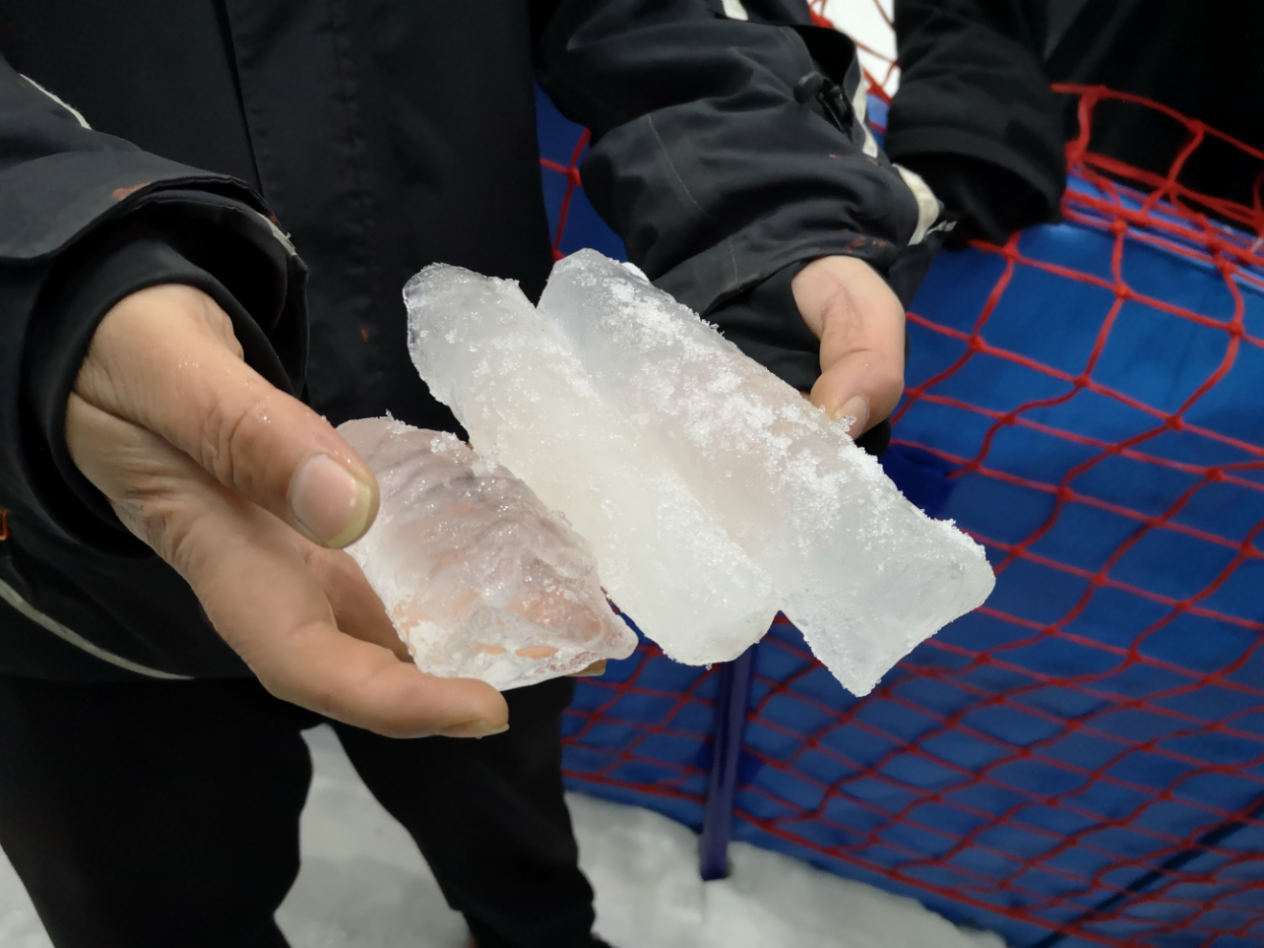
▲The icicles removed down using a CO₂ laser obstacle remover
III.New Technology for Ice Removal: CO₂ Laser Obstacle Remover
In recent years, CO₂ laser obstacle removers have gained increasing attention from ski resorts. This technology shows significant advantages in terms of efficiency and safety in the application of ice removal in indoor ski resorts. It works by directing high-energy laser beams onto the ice layer's surface, rapidly raising the temperature to melt the ice, thus enabling remote, contactless operation, greatly reducing the risk of manual ice removal and enabling efficient ice removal.
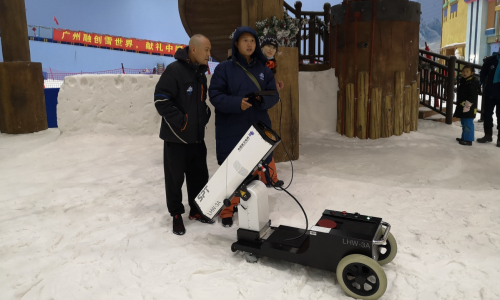
▲Staffs operate CO₂ laser obstacle remover at an indoor ice resort
IV.Three Major Advantages of Laser Ice Removal
1. Remote Operation for Enhanced Safety:
Operators can perform deicing from hundreds of meters away without the need to climb or work in close proximity to ice formations, greatly reducing operational risks.
2. Fast and Efficient:
Manual ice removal can take between 12 to 48 hours, or even longer. In contrast, laser ice removal technology allows for remote operation, quickly melting and removing ice layers, significantly shortening processing time, minimizing operational disruptions, and ensuring normal resort operations.
3. Precise and Controllable Without Damaging Facilities:
With the use of green light guidance and dynamic focusing technology, the laser can be precisely positioned and focused, ensuring thorough cleaning without damaging the ski slopes, light fixtures, or metal structures.
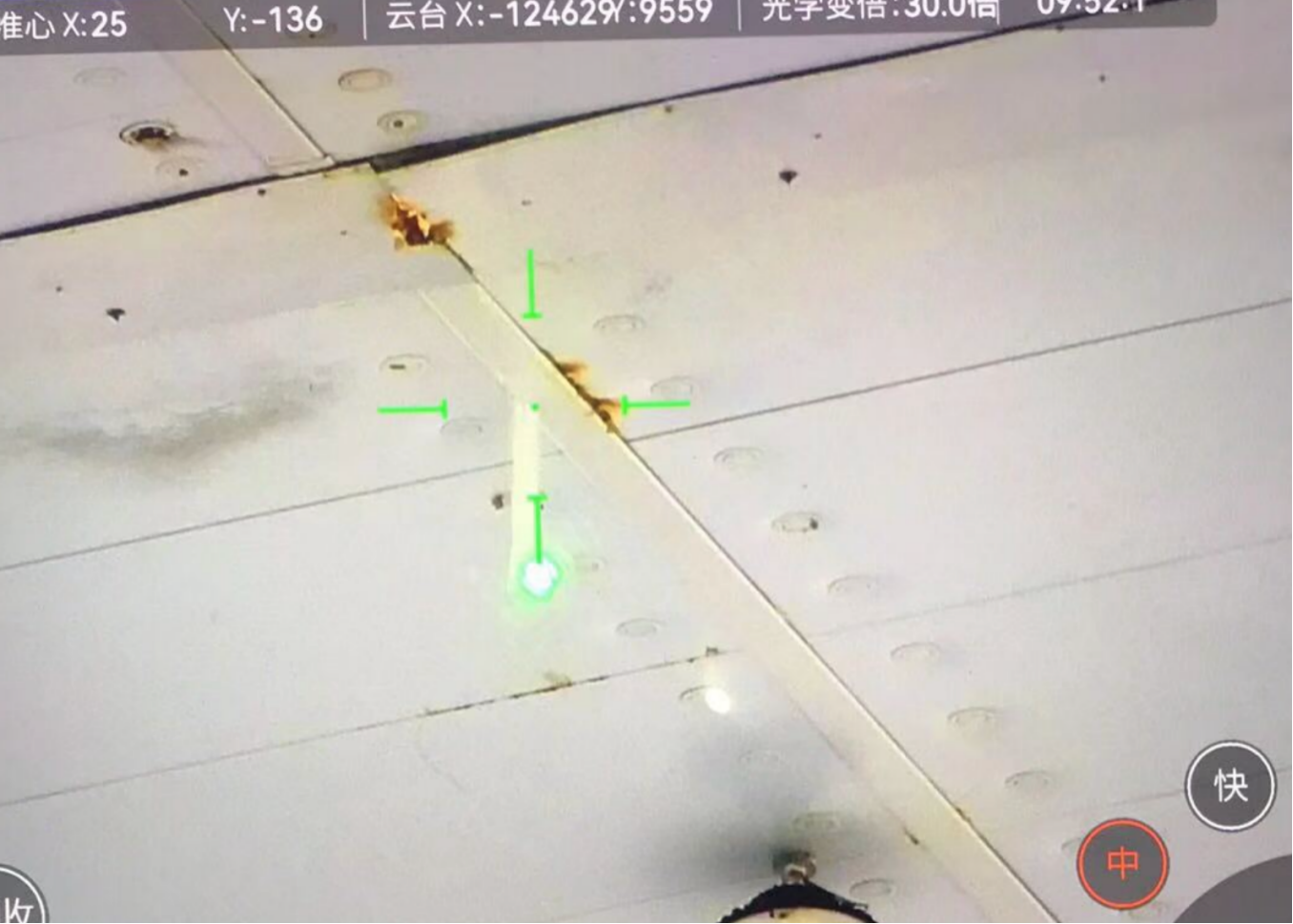
▲The screen shows the laser obstacle remover clearing icicles
V.Applications of Laser Ice Removal in Indoor Ski Resorts
1. Ice Removal from High Altitudes:
Icicles and ice cones are likely to form on ceilings, light fixtures, and steel beams, posing safety risks with traditional manual removal. Laser ice removal enables remote high-altitude strikes, quickly clearing ice formations, reducing falling hazards, and avoiding damage to metal or lighting surfaces.
2. Ice Removal from Equipment and Tracks:
If key equipment such as lift wheels, tracks, or air conditioning ducts ice over, it can disrupt normal operations. Laser ice removal can target ice layers precisely, ensuring stable equipment operation and reducing maintenance downtime.
3. Emergency Rapid Deicing:
When unexpected rapid ice accumulation or other safety hazards occur, laser deicing can quickly clear ice layer areas within a short time, preventing accidents and enabling emergency response.
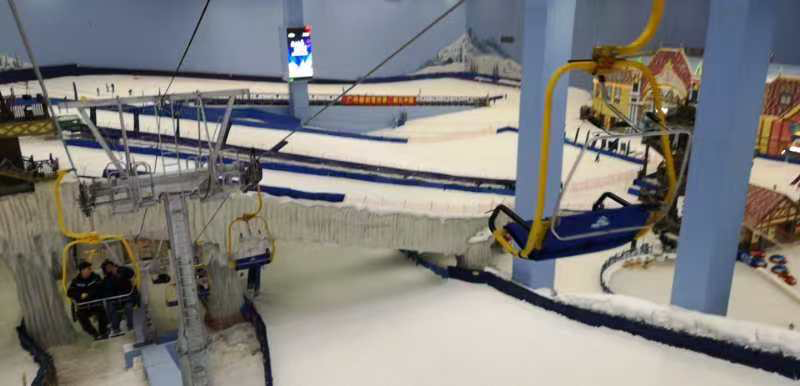
▲Indoor Ski Resort Cable Car
VI.Conclusion
As the ski industry continues to prioritize safety and operational efficiency, laser obstacle remover device is becoming the preferred solution for deicing in indoor ski resorts. Not only does it significantly reduce labor costs and minimize the safety risks associated with working at heights, but it also maintains the stability and comfort of the environment, enhancing the skiing experience for visitors.
In the future, with the widespread adoption and deeper application of this technology, laser ice removal is expected to replace traditional methods and become the standard configuration for indoor ski resorts, as well as a key trend in industry development.


